Developing rapid, targeted and reversible therapies to address unmet needs in stroke and beyond
Developing rapid, targeted and reversible therapies to address unmet needs in stroke and beyond
PIPELINE
Advancing lead program in acute stroke while exploring additional indications across thrombotic conditions
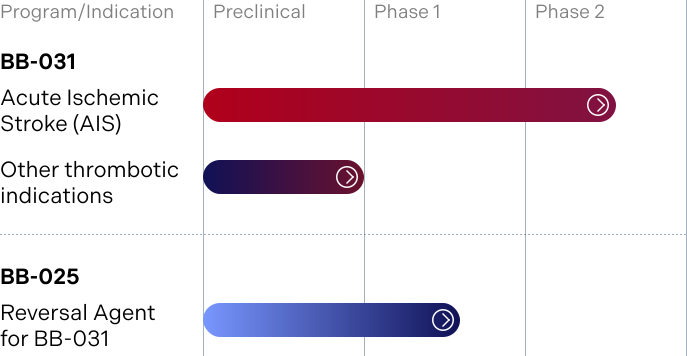
disease areas
Focused on thrombotic conditions where rapid, targeted and reversible intervention can change the course of care
Thrombotic events occur when blood clots form inside vessels and restrict blood flow to vital organs. These events can lead to life-threatening conditions, including stroke and heart attack.
stroke
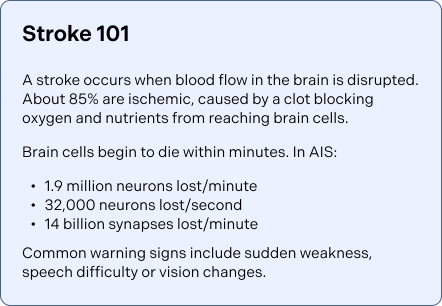
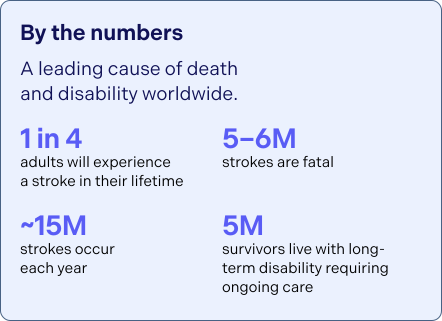
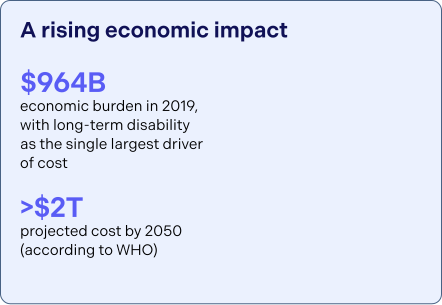
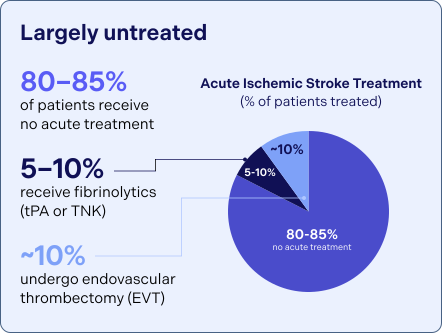
Limitations of Current Therapies for Acute Ischemic Stroke (AIS)
Nearly three decades after the first drug for acute ischemic stroke (AIS) was approved, care remains constrained by time, access and safety limitations — leaving only a small fraction of patients eligible to receive therapy.
Fibrinolytics (tPA and TNK), introduced in 1996, remain the standard of care but are limited by a narrow 3 to 4.5-hour treatment window and a significant bleeding risk that restricts use and physician confidence.
Mechanical thrombectomy, adopted globally in 2015, can extend treatment up to 24 hours, but is limited to patients with large vessel occlusion stroke and is available only in specialized centers—making timely intervention a barrier.
We are committed to advancing a reversible thrombolytic therapy that addresses these limitations and enables healthcare providers to act confidently, quickly and safely.

Clinical trials
Clinical studies evaluating our targeted, reversible approach in stroke
see our ongoing TRIALS
Clinical trials
Clinical studies evaluating our targeted, reversible approach in stroke
see our ongoing studies