

Targeting von Willebrand Factor (vWF) to deliver powerful clot-clearing activity with rationally- designed reversibility
A fundamentally new approach to thrombolysis that aims for more effective, safer treatment across thrombotic conditions.
Learn about our programs leveraging vWF biology
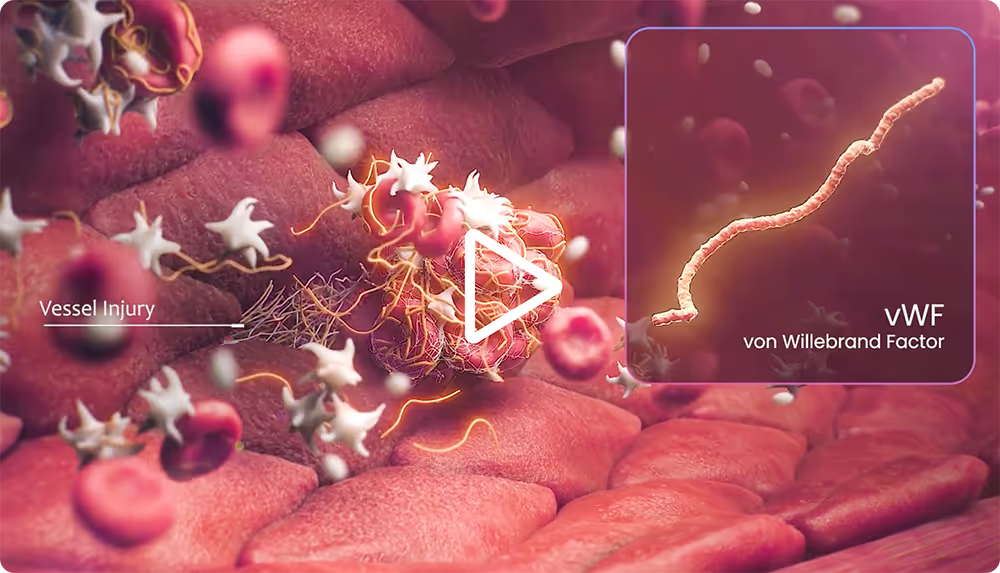
UNDERSTANDING vWF AND ITS ROLE IN CLOT FORMATION
vWF: A VALIDATED TARGET AT THE HEART OF STROKE BIOLOGY
A SELECTIVE AND REVERSIBLE WAY TO INTERVENE
